













Asino Casino Reviews For Australia

A 2026 snapshot for Australia players: what the lobby feels like, how money tools work, and what to check before playing.

Slot Fortune Gems 2

Table of Contents

  • The Dog House Megaways Slot
  • Lucky Joker 10 Extra Gifts Slot
  • Sword of Ares Slot
  • Floating Dragon Hold & Spin Slot
  • Leprechaun Riches Slot
  • Fruit Coctail Slot
  • The Dog House Megaways Slot
  • Sword of Ares Slot
  • Fruit Million Slot
  • The Dog House Megaways Slot
  • Fruit Box Slot
  • Big Fisherman Slot
  • Seven Books Unlimited Slot
  • Asino Casino Fortune Slot
  • Sword of Ares Slot
  • Floating Dragon Hold & Spin Slot
  • 9 Mad Hats Slot
  • Floating Dragon Hold & Spin Slot
  • Big Bass Splash Slot

Asino Casino Review: The 10-Minute Reality Check

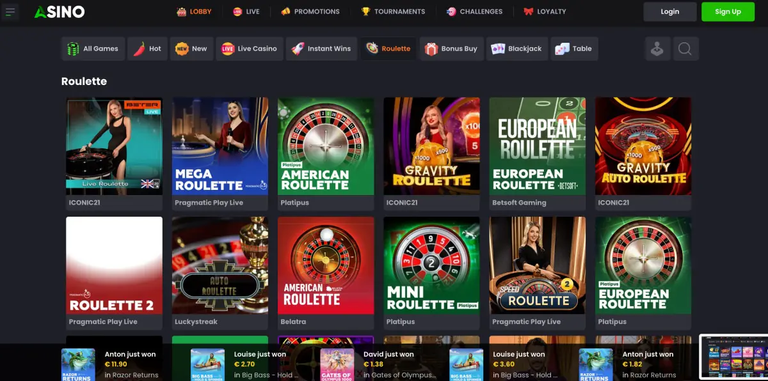
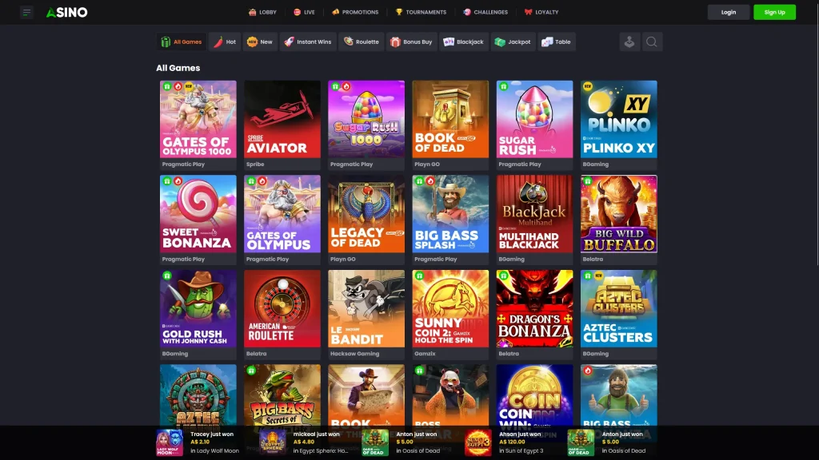
If you only have ten minutes to judge a platform, do not start by chasing the flashiest game. Start by checking whether the basics feel calm: account menu, cashier, history, and help. A smooth lobby is nice, but the real test is whether you can find what you need without guessing.

reviews 1

Imagine you are on your phone in a noisy place, you open the app, and you want three quick things: confirm your balance, find a game you actually like, and leave without losing track of time. If the navigation supports that simple loop, you are already ahead of most rushed sessions.

Asino Casino is accessible in Australia for adults of legal gambling age, and it is meant to operate within applicable rules and age restrictions. That is the practical frame. The rest is user experience: how clear the flow feels, how consistent the cashier is, and how quickly you can pause or stop when you want to.

A good first impression is not about promises. It is about friction. Does the platform force you into extra taps? Does it hide limits and history behind three menus? Does the help section feel like a real tool or a last resort? Those answers matter more than a shiny banner.

Before you deposit anything meaningful, try a dry run: open the cashier screen, look at available methods, then back out. You are checking for clarity, not committing to anything yet. That one habit saves you from “surprise steps” later.

What Feels Fast On Day One

The first day usually feels smooth because everything is new and your attention is high. The question is whether it stays smooth when you are tired, distracted, or switching between mobile data and Wi-Fi. Picture yourself opening a session late at night and realizing you cannot find the transaction history quickly - that is when small design choices start to matter.

A practical sign of a solid setup is a predictable account area: profile, verification, limits, history, and support all in one place. You should not need to “search around” for controls that affect your money or your time.

If you find yourself thinking, “I’ll figure it out later,” pause. Later is usually when you are under pressure (cashout, a stuck deposit, or a login loop). Getting oriented early is not slow - it is efficient.

Where Players Usually Get Stuck

Most frustration clusters around the same points: sign-in checks, payment confirmations, and verification steps that appear at the worst moment. Imagine you finally decide to withdraw, and only then you learn your profile detail does not match your payment method name format. That is not rare. It is common.

Another sticky point is repeated tapping. People press buttons twice because the screen does not update instantly, then they create duplicate actions and panic when they see “pending” more than once. The calm approach is simple: tap once, wait, check history, then act.

If something feels unclear, do not “experiment” with random settings. Change one thing at a time. That keeps the situation reversible and makes support far more effective if you need it.
Account Setup That Saves You Time Later

Registration is a short step, but it creates long-term consequences. The details you enter become the reference for verification, recovery, and payment checks. If your information is consistent, most later processes feel routine. If it is sloppy, everything takes longer.

reviews 2

Imagine you register while multitasking and you type your email one character wrong. You can still play for a while, but when you need a password reset, nothing arrives. That is how a small mistake becomes a full stop.

Do the “boring” part properly once. Use contact details you control long-term, choose a unique password, and set up recovery while you are calm. If your device offers biometrics, treat it as a convenience layer, not the foundation.

Now add the habit most players skip: set a personal limit before your first real session. Not because you expect to lose control, but because limits remove decisions from emotional moments. It is much easier to choose a sensible cap when you are neutral than when you are chasing a mood.

A First Session Routine That Feels Human

Try a simple routine: decide your time window, decide your spend cap, then start. Picture yourself saying, “Ten minutes, small amount,” and actually sticking to it because you set a reminder. That is not restrictive - it is clean.

After the session, check your history once. It takes fifteen seconds and keeps you grounded in what actually happened, not what you think happened.

reviews 3

Asino Casino RTP: Understanding Returns Without Math

Return information can sound technical, but you do not need spreadsheets to use it well. You only need to understand what it can and cannot tell you. A high return figure does not promise a win in your next ten minutes. It describes long-run behavior across many spins, often far beyond what a normal player experiences in a single evening.

Imagine you play a game for five minutes, it feels “cold,” and you decide the platform is unfair. That reaction is normal, but it is also based on a tiny sample. Short sessions are emotional. Long-run return figures are statistical. Mixing the two leads to bad decisions.

A practical approach in 2026 is to treat return info as a filter, not a prophecy. Use it to compare games and to avoid titles that feel overly punishing for your budget, but do not expect it to control your short-term outcomes.

If you want a calmer experience, focus on volatility descriptions and game mechanics. Some games swing hard and fast. Others are steadier but less dramatic. Picking the right style for your mood often matters more than chasing “best” numbers.

How To Read A Game Info Screen Quickly

Most games include an info section with rules, features, and explanations of bonus triggers. Picture yourself opening a new title and immediately getting lost in animations. Instead, take thirty seconds to scan the basics: how bonuses trigger, whether there are buy options, and what the bet controls really do.

If the info screen feels vague, that is useful information too. Clarity is part of trust. You do not need perfect detail, but you should be able to understand the core mechanics without guessing.

A good test question: “Do I know what will happen if I tap this feature?” If the answer is no, slow down and learn first. That is how you avoid accidental high-risk choices.

Why Short Sessions Can Fool You

A short session can make any game look amazing or terrible. Imagine you hit a feature early and think you found a magic title. Then the next day you try again and feel disappointed. Neither session proves the game is “good” or “bad.” They prove that variance is real.

If you want a fairer sense of a game, treat the first few minutes as a test drive on low stakes. Then decide whether the pace fits your attention and budget.

This small behavior change often reduces impulsive chasing. You are choosing based on fit, not on a single emotional spike.

Choosing Stakes That Match Your Mood

Your stake should match the kind of session you want. If you want to relax, keep stakes low enough that losses do not trigger panic. If you want excitement, set a tighter budget cap so excitement does not become overspending.

Picture the moment you feel the urge to increase your bet “to get it back.” That is the moment to stop, not to raise. A planned stake is a plan. A sudden raise is usually emotion.

Payments And Cashouts: Keep The Cashier Simple

Money movement is where players lose the most time because they bring urgency into it. The cashier works best when you treat it like a checkout line: confirm details, tap once, wait for confirmation, then move on. Most “issues” are actually impatience combined with unclear expectations.

Imagine you deposit and nothing changes for thirty seconds. You feel your finger hovering over the button again. This is where people create duplicate entries. The better move is to open your transaction history, refresh once, and give it a short moment before trying anything else.

Withdrawals add another layer: identity checks, method rules, and occasional reviews. None of this should be sold as instant magic. It depends on the payment method and the checks required for your account. If you expect a process and you follow it cleanly, you avoid most frustration.

For first-time cashouts, prepare your documents early and keep your profile details consistent. Changing your email, phone, or name format right before a cashout is like changing your flight ticket at the gate - possible, but it adds friction.

Here is a simple table you can use to stay calm when money steps appear.

What You Want To Do

What To Check First

What Usually Trips People Up

A Better Habit

First deposit test

Method availability and device confirmations

Retrying too fast

Start small, then confirm in history

Repeat deposit

Budget and deposit cap

Topping up on impulse

Set limits before the session

First cashout

Profile details and verification status

Missing or unclear documents

Prepare clear photos in good light

Tracking a payout

Status updates in transaction history

Submitting duplicates

Wait, refresh once, then ask support

Staying organized

Recent activity and receipts

Forgetting what you did

Check history after each key action

Why “Pending” Is Not Automatically A Problem

Pending often means “in progress,” not “blocked.” Picture a bank transfer that takes steps behind the scenes - it does not announce each step, it just completes when it completes. The same idea applies here.

What helps is patience plus visibility. Use the history screen as your anchor. If you see one entry moving through statuses, do not create another. If nothing changes for an unusually long time, that is when support becomes useful.

Mobile Experience In 2026: One-Thumb Reality

Mobile play is not desktop play squeezed smaller. It is a different rhythm. Sessions happen in fragments: five minutes here, ten minutes there, sometimes in places where you are distracted. The platform either supports that rhythm or it fights it.

Imagine you open a session while waiting for a ride, and you want a game that loads quickly and a clear way to stop. If the lobby is cluttered and the back button behavior is confusing, you will waste your time and feel rushed.

A clean mobile experience gives you three things fast: search, favorites, and account tools. Search helps you avoid endless scrolling. Favorites help you return to games you already understand (which reduces mistakes). Account tools help you stay in control, especially with limits and history.

Also, notifications matter. Promotional pings can turn into unplanned sessions. If you want mobile play to stay intentional, keep only security and account notifications, and mute the rest.

Quick Navigation Habits That Reduce Mistakes

Make your own shortcuts. Favorite a small set of games you actually enjoy. Learn where the cashier and history live. This turns “random exploring” into “deliberate choosing.”

Picture the difference: you open the app and scroll aimlessly until you are bored, or you open the app and pick one familiar title with a planned stop point. The second option is calmer and usually cheaper.

When Mobile Data And Wi-Fi Change The Feel

Switching networks mid-session can create reloads, extra confirmation prompts, or delays. Imagine you start on Wi-Fi, walk outside, and your phone switches to mobile data. If the session refreshes, you might think something is wrong. Often, it is just the connection changing.

If you want a smooth session, keep one network stable during sign-in and during any payment step. Once you are inside and settled, you can play more flexibly.

Responsible Play Tools That Actually Help

Responsible play features are not there to shame you. They are there to make control easier than impulse. The best tools are simple: deposit limits, loss limits, session reminders, cooling-off timeouts, and longer self-exclusion options.

Imagine you have a rough day and you open the app hoping for a quick mood fix. You lose a few rounds, feel irritation rising, and suddenly the session is no longer entertainment. This is where a timeout tool helps. It removes the need to “be strong” in the moment.

If you want these tools to work, set them when you are calm. A limit chosen in a neutral mood protects you during the moods that are harder.

A Simple Stop Rule That Works In Real Life

Pick one stop rule you can follow: a time limit, a spend cap, or a “leave after a win” rule. Then support it with a reminder. Picture your phone buzzing after twenty minutes and you actually closing the app because the rule existed before the session started. That is how people stay consistent.

Support And Security: Fixing Problems Without Spiral

Support is most helpful when you do not approach it in panic mode. A clear message beats a long rant every time. If something breaks, gather your basics: device type, operating system, network type, what you tried, and what happened instead.

Imagine you send “it doesn’t work” while you are angry. The agent has to guess whether it is sign-in, cashier, verification, or game loading. Now compare that to: “After a password reset, I can’t stay signed in on mobile data; the screen returns to the lobby.” That is actionable.

Security is mostly habit. Use a unique password, keep your device locked, and do not share accounts. If you ever suspect unusual activity, stop playing, change your password, and review recent account activity first.

Another practical tip: change one thing at a time when troubleshooting. If you change your password, reinstall the app, switch networks, and update your phone all in one hour, you will never know which change solved the issue.

The Calm Checklist For Login Problems

Start simple: close the app fully, restart the device, and try again on a stable connection. Then check autofill (password managers love old entries). If you use private browsing, try a normal session once to see if storage settings are the cause.

Picture yourself doing this in order, one step at a time. You either fix the issue quickly or you create a clean description for support. Both outcomes are better than endless retries.

How To Ask Support For Faster Help

Write one message with four parts: what you wanted to do, what you did, what happened, and what device you are on. Add the approximate time. Keep it factual.

Imagine you are reading your own message a day later. Would you understand it? If yes, support probably will too.

FAQ

Start with a short test session on low stakes and focus on navigation, history, and limits rather than chasing a quick win. If you can find key tools fast and the flow feels predictable, that is a good sign. If you feel lost in menus or pressured by promos, adjust settings or step away before depositing more.

Treat it as a normal protection step, especially on a new device or after account changes. Use clear photos in good lighting, keep details consistent, and complete the process in one calm attempt. If a prompt is unclear, stop clicking around and ask support one focused question instead of guessing.

Tap once, then verify in your transaction history before doing anything else. Most duplicates happen because players retry while the screen is still updating. Waiting a short moment and checking history keeps your account cleaner and reduces support headaches.

Use favorites and search to avoid endless scrolling, and treat new games like test drives. Read the basic rules, try a few minutes on small stakes, then decide if the pace and volatility match your budget. If a game makes you feel rushed or irritated, switch instead of forcing it.

Set limits and reminders before you start, and use a simple stop rule you can follow. If you notice emotional signals like frustration or urgency, take a timeout rather than increasing stakes. The goal is to keep play optional, not driven by mood.

Share your device type, operating system, network type, the exact step that failed, and the approximate time it happened. Keep the message short and structured so the agent can reproduce the issue mentally. Avoid changing multiple settings while waiting for a reply, because that blurs the timeline.

Use it when play stops feeling like entertainment and starts feeling like pressure, stress, or secrecy. If you cannot stick to your own limits, a longer break removes the need for willpower in the moment. Taking a pause early is often the healthiest move you can make.