













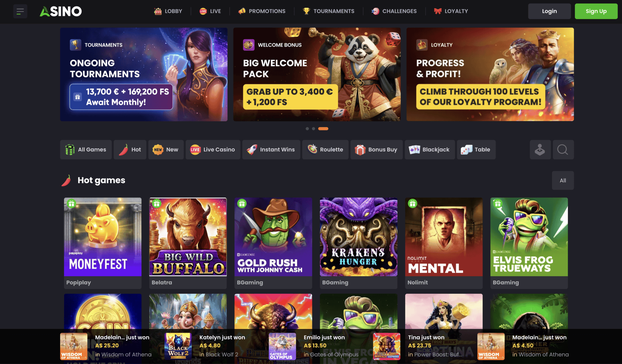
Asino Games In Australia: What To Play

Asino Casino is available in Australia, with a wide lobby, clear settings, and adult-only tools that suit real 2026 play.

Slot Fortune Gems 2

Table of Contents

  • The Dog House Megaways Slot
  • Lucky Joker 10 Extra Gifts Slot
  • Sword of Ares Slot
  • Floating Dragon Hold & Spin Slot
  • Leprechaun Riches Slot
  • Fruit Coctail Slot
  • The Dog House Megaways Slot
  • Sword of Ares Slot
  • Fruit Million Slot
  • The Dog House Megaways Slot
  • Fruit Box Slot
  • Big Fisherman Slot
  • Seven Books Unlimited Slot
  • Asino Casino Fortune Slot
  • Sword of Ares Slot
  • Floating Dragon Hold & Spin Slot
  • 9 Mad Hats Slot
  • Floating Dragon Hold & Spin Slot
  • Big Bass Splash Slot
game 1

Asino Game Lobby Basics For New Players

Picture this: you open the lobby with a coffee in one hand, and the other hand is already scrolling like it’s a social feed. Most players do exactly that, then wonder why they feel overwhelmed. The fix is not “more willpower” - it’s choosing a path before you start clicking.

First, treat the lobby like a menu, not a slot machine itself. You are not here to press everything, you are here to pick a category that matches your mood: quick spins, slower sessions, live-style tables, or something that feels more like a short challenge than a long grind. If you decide the category first, the rest becomes simple.

Next, set a tiny “first session rule.” Many adults do better when they start with a small test run: explore a few titles, check how the interface feels, and stop before you get pulled into a long loop. It’s surprisingly easy to lose time in a new lobby, especially if you’re chasing novelty.

Finally, keep the adult-only aspect practical. In 2026, responsible tools are not a boring extra - they are part of the experience. If you know you can drift, set reminders and limits before you begin, not after you’ve already spent money and patience.

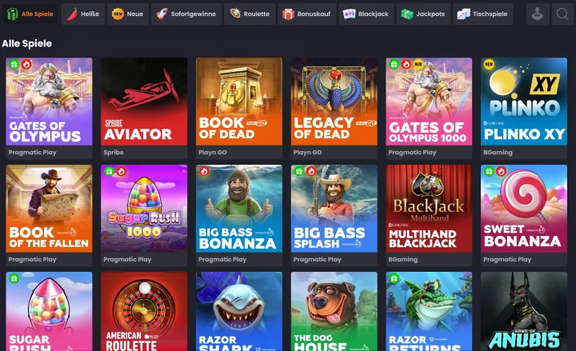
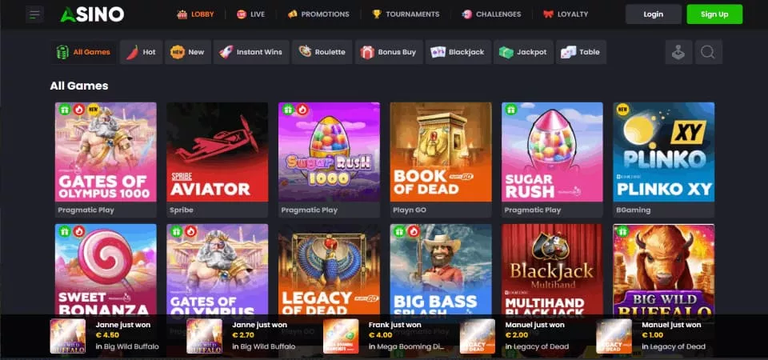
Asino Game Filters That Save Time

Imagine you have ten minutes before you head out, and you want something simple, not a deep session. Most people scroll the homepage until the ten minutes are gone. Filters are what turn “browsing” into “choosing.”

Use filters like you would use search in a music app. Narrow by category, then narrow again by features you actually care about (for example, quick rounds, calmer pacing, or lower stakes). After that, stop. Pick one title and play, rather than turning selection into a second game.

Asino Game Search And Favorites For Repeat Sessions

Picture the second visit: you log in again and forget what you liked last time, so you start from zero. That is how people waste sessions. A favorites list fixes this in one click.

Save a short list of titles that felt right, and keep it small on purpose. Too many favorites becomes another messy lobby. Think “five reliable picks,” not “a museum collection.”
Account Setup That Makes Play Smoother

Imagine you are excited to play and you skip setup because it feels like paperwork. Later, you try to cash out and suddenly you are asked to confirm details when you are least patient. Most frustration comes from that moment, not from the games themselves.

game 2

Start by filling your profile carefully and consistently. Use the same details you would use on your documents and payment method, because mismatches create delays. Do this once, calmly, and you will avoid the “why is this taking so long” feeling later.

Then decide how you want to log in and recover access. Use a strong password, keep it in a trusted manager, and make sure your email account is protected too. If your email is weak, everything is weak, because recovery messages often go there.

Now set your session tools early. If the platform offers timeouts, spending limits, or cooling-off options, treat them like seatbelts. You do not plan to lose control, but you also do not want to rely on mood when your brain is tired.

Asino Games On Mobile Vs Desktop: Keep It Consistent

Picture this: you activate settings on your laptop, then you play on your phone and forget to check if everything carries over. That creates confusion, especially if notifications or reminders behave differently. Pick one primary device for your routine, at least for the first week.

Mobile play is fast and tempting, which is why it needs stronger guardrails. Turn on reminders, keep your device updated, and avoid playing when your connection is unstable. Desktop sessions often fail for different reasons (extensions, stale browser data), so keep one clean browser profile for gambling sessions if you can.

Choosing Titles Without Getting Lost

Imagine you sit down thinking, “I’ll just try a couple,” and suddenly you are an hour deep without a clear memory of what you even played. That happens because selection becomes reactive. The adult way is to choose based on your goal for the session, not based on the loudest banner.

game 3

Start with pacing. Some titles are built for fast rounds that feel snackable, others are built for longer sessions where you settle in and let the rhythm do the work. Decide which pacing matches your energy today. If you are tired, fast rounds can turn into mindless tapping. If you are bored, slow rounds can feel like nothing is happening and push you into impulsive choices.

Next, think about volatility in a practical way, without turning it into math. Ask yourself: do you want a calmer session where results feel more steady, or do you want a swingier experience where outcomes can be more dramatic? Many adults prefer calmer play on weekdays and keep the riskier mood for weekends when they have more time and patience.

Then consider features, not themes. Themes are marketing, features are experience. Do you enjoy bonus rounds that break up the routine? Do you prefer simple gameplay that you can run while listening to a podcast? Do you like titles that feel interactive, or do you want something you can play almost on autopilot? Your answers matter more than the artwork.

Now do something most players skip: set a stop condition for exploration. Picture yourself trying “just one more title” again and again, never settling. Create a rule like “I test three titles, then I pick one and play it for ten minutes.” This prevents endless browsing and makes the session feel intentional.

If you play live-style tables, the same logic applies. Decide whether you want a social vibe or a quiet, quick experience. Live games can be engaging, but they can also stretch time because you start watching, chatting, and waiting between rounds. If you only have a short window, choose something that respects your time.

Finally, treat your mood as a real variable. If you are stressed, bored, or annoyed, your choices change. Picture a day where everything went wrong and you want a distraction. That is a risky moment to pick the most intense, swingy titles, because your brain may chase stimulation rather than enjoyment. On those days, choose calmer play, smaller stakes, and shorter sessions - or take a break entirely.

Promotions And Bonuses Without Confusion

Imagine you see a big offer and your brain instantly converts it into “free money.” Most players do that, and that is exactly why they later feel disappointed. Promotions are usually a route: you opt in, you play under conditions, and only then you return to normal funds.

Before you activate anything, translate the offer into a simple plan. What do you need to do to qualify? Which game categories count? What happens if you try to withdraw early? If you can’t answer those questions quickly, you are not ready to activate the deal - not because you are careless, but because the offer is not a fit for your current session.

A smart adult habit is separating sessions. Keep one session for normal play with your own deposit, and a separate session for promo play when you actually have the time to follow the rules. Mixing the two can make the balance feel confusing, and confusion is where mistakes happen.

Also, do not collect promotions like trophies. Too many active deals create mental clutter. Pick one that matches your plan, or skip them entirely. Skipping is a valid strategy when your priority is simple cashflow and calmer decisions.

Asino Game Offers: How Adults Avoid The Trap

Picture a weekday night: you only planned a short session, but the promo pushes you to “just finish the requirement.” That is how budgets break quietly. The best move is deciding your time and spending limits before you opt in.

If an offer requires a longer grind than you want today, save it for another day or ignore it. The value of a promotion disappears if it makes you play longer than you enjoy. Your goal is entertainment, not completion.

Asino Games Promotions: Reading Terms In Two Minutes

Imagine you open the terms and your eyes glaze over. You do not need to read every line like a lawyer. You just need to find the three parts that matter: what counts, what does not count, and what blocks withdrawals until completion.

Scan for eligible categories, minimum deposit rules, and any restrictions that affect cashing out. If the offer feels like homework, it’s probably not the right one for your current mood.

When To Skip Deals And Play With A Clean Balance

Picture you want a simple win: deposit, play, stop, withdraw when you choose. Promotions can complicate that. If you value clarity, choose clean play and keep your session short and controlled.

Many adult players in Australia prefer predictable sessions, especially when they are balancing work, family, and real-life routines. Promotions are optional. Your boundaries are not.

Payments And Withdrawals: Practical Expectations

Imagine you deposit in seconds, then later a withdrawal feels slower and you take it personally. Most platforms make deposits smooth and add extra checks on withdrawals for safety and compliance. The adult approach is planning for that difference instead of being surprised by it.

Pick one main payment route and stick to it, especially at the start. Switching methods every session creates confusion and can trigger extra verification steps. If you want clean budgeting, consistency also makes tracking easier - you know what you used, when you used it, and what to expect.

Here is a practical overview of common payment routes and what to watch for, written like a real checklist rather than a sales pitch:

Payment Route Type

What Players Like

What To Check Early

Best Fit

Bank card

Familiar flow and quick confirmation

Security checks, spending caps, name match

Short sessions and controlled top-ups

Bank transfer

Clear trail and planned funding

Processing windows, reference details

Budget-first players who plan ahead

Wallet-style method

Easy tracking and tidy history

Account linking, notification reliability

Regular play with clean records

Mobile-first pay option

Convenience away from home

Signal stability, device settings

Quick deposits on the go

Prepaid-style balance

Strong spend control

Flexibility and payout rules

Strict budgets and low temptation

Do a small “systems check” early. Make a modest deposit, confirm you can find the withdrawal menu, and review verification steps while you are calm. When you wait until you are excited or frustrated, you make mistakes.

Also keep your records simple. Save confirmation messages in one place and note which method you used. If anything goes wrong, you will not be guessing, and support will not be guessing either.

Verification Before Cashout: The Calm Approach

Picture the moment you want to withdraw and you are suddenly asked for documents. If you do it then, you are doing it under pressure. Do it early and it becomes routine.

Make sure your account details match your payment method details, and avoid changing key profile fields right before a withdrawal request. Big changes can trigger additional checks, and “additional checks” is just another way of saying “more waiting and more questions.”

Avoiding Payment Confusion On Shared Devices

Imagine you top up on a shared laptop, forget to log out, and later someone opens the browser and sees saved forms. That is how mistakes happen. Shared devices are fine only if you treat them like risky environments.

Use private browsing, never save payment details, and always log out. If you want a smooth adult routine, keep payments on your own device where your settings are stable and under your control.

Security, Privacy, And Adult-Only Controls

Imagine you are playing at home, then you travel, log in from a different network, and the platform asks for extra checks. That is not a punishment - it is a safety feature. In 2026, security is part of the experience, and small habits reduce friction.

Start with the basics: unique password, protected email, and careful logouts on shared devices. If extra verification is available, use it, especially if you play from multiple devices. The goal is simple - you want access to be easy for you and hard for everyone else.

Now add privacy habits that match real life. If you do not want codes or notifications popping up on your lock screen, turn on private previews. If you share your phone around friends, do not keep sensitive messages visible. These are small choices that prevent awkward moments and protect your account.

Most importantly, use adult-only controls the way they were intended. Timeouts, cooling-off tools, and spending limits are not “for someone with a problem.” They are for any adult who wants entertainment without regret. If you know your weak spot (late-night sessions, chasing losses, impulsive deposits), set guardrails that match that weak spot.

Timeouts And Cooling-Off: How People Actually Use Them

Picture you are irritated because a session is not going your way, and you feel the urge to “fix it” by playing more. That is the moment cooling-off tools are made for. A short forced pause often prevents the worst decisions.

Use timeouts when you notice impatience, not when you are already out of control. Even a short break can reset your thinking. Many adults return calmer and make better choices, or they decide to stop for the night, which is often the smartest win.

Budget Tools That Get Used In Real Life

Imagine you set a budget “in your head,” then you break it because your head changes mid-session. That is why limits should be in settings, not in hope.

Set a deposit cap that feels comfortable, and use session reminders so you do not rely on time-blindness. If you want one simple rule, use this: decide your budget and end time before you deposit, not after you start playing.

Support, Reviews, And Troubleshooting Habits

Imagine something breaks mid-session: a title does not load, a payment hangs, or you cannot find a setting you swear you saw earlier. Most people spam clicks and make it worse. A better approach is calm troubleshooting and one clear message to support when you truly need help.

Start with the basics: close the app or tab, restart, and try once on a stable connection. If the issue happens only on one device, it is often the device environment (browser data, extensions, storage). If it happens everywhere, it is more likely an account or system issue.

When you read reviews, filter them like an adult. People post when they are angry or when they are extremely happy, and both sides can be emotional. Look for repeated patterns: confusion about terms, trouble with verification because of mismatched details, or frustration caused by rushed decisions. Patterns teach you more than single stories.

Finally, keep your own notes. Not a big diary - just a few lines about what you played, what felt smooth, and what you want to avoid. That makes your next session easier and keeps you from repeating the same mistakes.

What To Send Support So You Get A Real Answer

Picture you write “it doesn’t work” and the reply asks five questions. That loop wastes time. Send details upfront: your device type, what you tried, what screen you were on, and the approximate time it happened.

If it is a payment issue, include the payment route type and whether verification is in progress. Keep it in one ticket and avoid changing settings while something is pending. Stability makes troubleshooting faster.

FAQ

Start by deciding your session goal before you browse: quick entertainment, a longer sit-down session, or a live-style experience. Then use filters to narrow by category and pacing, pick one title, and stop browsing. Many adults waste their whole window scrolling, so a simple rule helps: test three titles max, then commit to one for ten minutes. Save the ones you liked to a short favorites list so next time you begin with a clear shortlist instead of starting from zero.

Set your budget in settings, not in your head, because moods change mid-session. Use a deposit cap and a session reminder so you get a pause before you drift. If you notice you are chasing losses or playing longer than planned, take a cooldown break and come back later, or stop for the night. The goal is adult-only entertainment that stays comfortable, not a session that turns into pressure.

Deposits are designed to be fast, while withdrawals often involve extra checks for safety and compliance. You can reduce delays by verifying your details early, keeping your profile information consistent, and sticking to one main payment route. Avoid changing key account details right before requesting a payout, because large changes can trigger additional checks. If something goes pending, do not spam support - send one clear message with the amount, the payment route type, and the approximate time.

Close the tab or app, restart, and try once on a stable connection. If it works on one device but not another, the issue is often the device environment - browser extensions, storage, or stale data. Clearing cache and restarting can help, but do not repeat the same fix ten times. If the problem repeats consistently, contact support with the device type, the title name, and the time it happened so they can trace the issue properly.

Use the recovery flow calmly and avoid rapid repeated attempts, because that can trigger temporary blocks. Request one code at a time, check your message filters, and make sure your email account is secure, since recovery often relies on it. Once you regain access, update your password manager entry immediately so autofill does not keep entering the old password. If you suspect someone else tried to access your account, change the password and review any security settings right away.

Translate it into a simple plan: what triggers it, what activity counts, and what changes about withdrawals until completion. If you cannot explain it in one sentence, skip it for that session and play with a clean balance. Many adults prefer clarity over complexity, especially on short sessions. If you do use a promotion, separate that session from normal play so tracking stays simple and you do not get confused by balance behavior.

If you feel impatient, start increasing stakes impulsively, or keep saying “one more” without enjoyment, that is a sign to pause. Use a timeout or cooling-off tool, step away for a few minutes, and return only if you still feel calm. Adults who keep sessions comfortable usually follow one rule: when the plan ends, the session ends, even if the mood tries to negotiate.