













Asino Login In Australia: Quick Entry

A 2026 sign-in walkthrough for adults in Australia: smoother access, fewer lockouts, and calmer play from the first tap.

Slot Fortune Gems 2

Table of Contents

  • The Dog House Megaways Slot
  • Lucky Joker 10 Extra Gifts Slot
  • Sword of Ares Slot
  • Floating Dragon Hold & Spin Slot
  • Leprechaun Riches Slot
  • Fruit Coctail Slot
  • The Dog House Megaways Slot
  • Sword of Ares Slot
  • Fruit Million Slot
  • The Dog House Megaways Slot
  • Fruit Box Slot
  • Big Fisherman Slot
  • Seven Books Unlimited Slot
  • Asino Casino Fortune Slot
  • Sword of Ares Slot
  • Floating Dragon Hold & Spin Slot
  • 9 Mad Hats Slot
  • Floating Dragon Hold & Spin Slot
  • Big Bass Splash Slot

Asino Casino Login: Your First Sign-In Routine

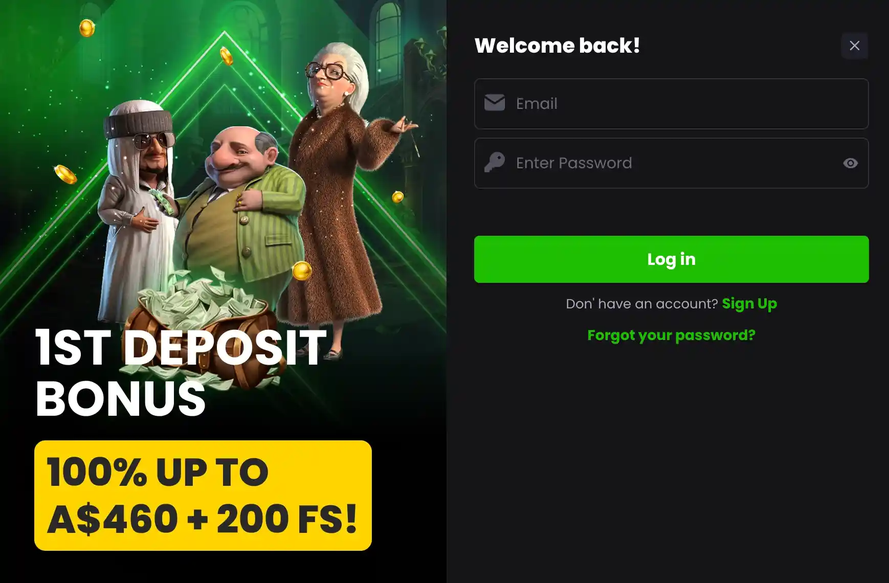
Most access problems happen because people try to do everything at once: register, claim a promo, deposit, pick a game, and only then think about security. If you want a clean start, do the first sign-in like a short checklist, not a sprint.
login 1

Imagine you open Asino Casino on your phone while you’re walking to the kitchen, notifications popping, Wi-Fi switching to mobile data. That’s when typos, failed codes, and “why did it log me out?” moments show up. Give yourself three quiet minutes, one device, one connection, and you’ll avoid half the usual friction.

Asino Casino is available in Australia, and the adult-only nature of online gambling means your account details and device habits matter. You don’t need grand promises about legality or licenses - you need a practical setup that helps you get in, stay in, and keep your account stable.

Start with the basics: confirm the email you used, save your password manager entry (or write it down safely), and check that your region and currency display match what you expect. If something looks off, fix it now, not after you’ve played a session and feel emotionally invested.

Device Check Before Asino Login

Before you try to access your account, treat your device like part of the “account.” That sounds dramatic, but it’s simple: the same username and password can behave differently if your browser is cluttered, your app is outdated, or your connection keeps changing.

Picture this: you sign in successfully on desktop, then you try again on mobile and it says your details are wrong. Usually the details are fine - it’s autofill grabbing an old password, a keyboard adding a space, or a browser extension interfering. The fastest fix is to choose one device for setup, complete the first successful access there, then add the second device later.

Do a quick sweep: update your browser or app, disable aggressive ad-blocking for the session if it breaks forms, and clear cached data only if you keep seeing old pages. If you’re on public Wi-Fi, consider waiting until you’re on a private network, because repeated failed attempts from unstable connections can look suspicious to security filters.

Password Hygiene That Saves Your Weekend

A strong password is only half the job. The other half is not losing track of it, not reusing it, and not exposing it through rushed behavior.

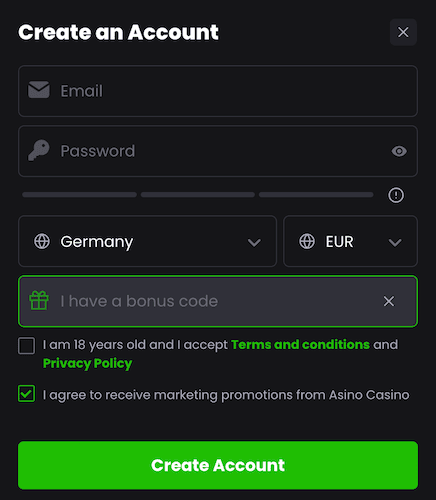
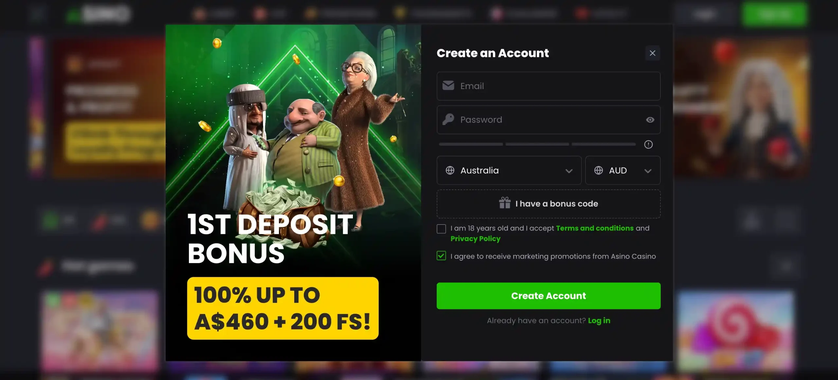
Imagine you’re trying to sign in during a sports break and you type quickly, miss a character, try again, miss again, and suddenly you’re locked out. That lockout often feels unfair, but it’s just a safety feature doing its job. Use a password manager if you can, and if you can’t, create a memorable passphrase you won’t mistype under pressure.

If two-step verification is offered, consider enabling it while you’re calm. It can feel like an extra step, but it also reduces the chance of losing your account because someone guessed or found your password. The best time to set it up is before you ever need support.
login 2

Common Sign-In Problems And Calm Fixes

Access issues are usually boring, not mysterious. It’s rarely “the platform is broken,” and more often “something small changed” - a password update, a new device, a browser autofill mistake, or a connection hiccup.

Imagine you’re ready to play, you enter your details, and you get a generic error message. Most players react by trying five more times, faster each time. That’s the opposite of helpful. The calm approach is to stop after two tries, check the obvious, then attempt again with a clean input.

Common causes include accidental spaces, mixed up email addresses (people often have two), and old saved passwords that your device insists on using. If you’re using autofill, try typing manually once, slowly, and compare the result.

Reset Steps When You Are Locked Out

A reset flow should feel like a straight line: request reset, receive message, set a new password, confirm you can access the account, then stop. The mistake is mixing reset attempts across devices and losing track of which reset link is current.

Picture this: you request a reset on phone, then you open the email on desktop, then you click a second reset link from the phone again because you didn’t see the first one. Now you have multiple links, and only the newest one may work. Choose one device for the reset sequence and finish it there.

After the reset, don’t immediately try to sign in on three devices. Log in once, confirm everything looks normal, then add your second device. If you keep getting blocked, avoid hammering the button - take a short pause and then contact support with clear details about what you tried and what error you saw.

Account Hygiene After You Get In

Once you have access, most people go straight to games. That’s understandable, but a little account hygiene right after sign-in pays off later, especially when you want to withdraw and everything depends on accurate information.

login 3

Imagine you win something small and think, “I’ll cash out later.” Later arrives, and you realize your profile is missing a field or your name formatting doesn’t match your documents. Now “later” becomes a support conversation. Fixing profile details early is not exciting, but it keeps your experience smooth.

Start by checking your personal details and making sure they are consistent. Keep it simple: use your real information, avoid playful variations, and don’t switch details just to “get through a form.” If any verification steps are required, it’s usually better to complete them sooner rather than waiting until you’re emotionally attached to a pending payout.

Next, look for responsible play settings. You don’t have to activate everything, but at least find where deposit limits, time reminders, cooling-off timeouts, and self-exclusion live. Think of it like finding the emergency exit in a cinema - you hope you won’t need it, but you’re calmer knowing it’s there.

A good micro-habit: after your first successful sign-in, take one screenshot in your head of where key tabs are located (profile, cashier, help). If you ever run into a problem, you’ll navigate faster and explain your situation more clearly.

Also check your notification preferences. Promotional pushes can be fun, but they can also drag you back into the app at moments you didn’t plan to play. If you want more control, keep security-related alerts on and tone down marketing pings.

Mobile Access In Australia: Smooth Sessions

Mobile play is convenient, but it speeds up every decision. The trick is to make the first mobile session about stability rather than excitement: stable connection, stable device settings, stable budget.

Picture yourself opening the app on the couch with one hand while scrolling messages with the other. That’s when misclicks happen: you hit the wrong button, you accept something you didn’t read, you forget what balance is what. The fix is simple: treat mobile play like a short, focused session, not background noise.

If you plan to use both mobile and desktop, pick one as your “control center.” Many players find it easier to manage settings and verification on desktop, then use mobile for quick gameplay later. Whatever you choose, keep it consistent in the first week.

App Or Browser: Pick One For Setup

It’s tempting to switch back and forth, but setup is smoother when you choose one path and complete it fully. Some issues only appear on certain browsers, and some only appear on certain app versions.

Imagine you set your password on desktop, then your phone’s autofill keeps insisting on an older version. You think your password is wrong, but your phone is the problem. The safest approach is to complete your first successful sign-in, profile check, and settings review on one platform (app or browser), then turn on the second option after everything is stable.

If the app feels heavy or the browser feels glitchy, don’t force it in the moment. Step back, update, restart, and try again calmly. Fast retries often trigger security locks, while a slow clean attempt usually works.

Connection And Verification Issues In Real Life

Connection problems don’t announce themselves nicely. They show up as spinning wheels, missing buttons, or pages that look half-loaded. And they always happen when you’re in a hurry.

Imagine you’re on mobile data, entering details, and the connection drops for a second. You press submit again. Now you’re not sure if the action went through once or twice. The practical habit is to pause after any important action (password reset, verification upload, withdrawal request) and confirm the status in your history before moving on.

If you see repeated errors, try a stable Wi-Fi network, close background apps, and restart the app or browser. If you’re using a VPN that changes your location, consider turning it off for account actions, because location switching can trigger security checks.

Here’s a simple troubleshooting table you can use when sign-in feels “weird.” It avoids brand key phrases on purpose, so you can follow it without overthinking wording.

What You Notice

Likely Cause

Quick Check

Low-Stress Fix

Password keeps “failing”

Autofill using old entry

Type it manually once

Update saved password entry

Page loads but buttons don’t work

Cached scripts or extensions

Try private window

Disable extensions for one session

Reset link won’t open

Multiple reset requests

Check message timestamps

Use the newest link only

Repeated security prompt

New device or location change

Compare device and network

Finish setup on one device

Session logs out quickly

Unstable connection

Watch signal changes

Switch to stable Wi-Fi

Notifications And Distraction Control

Notifications can turn a planned session into an impulsive one. That’s not a character flaw - it’s how attention works.

Picture a quiet evening: you planned to play for fifteen minutes, then you get a marketing push, you tap it, and suddenly you’re back in the lobby longer than you intended. If you want control, set a timer before you start and reduce promotional notifications so you’re not being pulled back in.

A small rule helps: “I only open the app when I planned to.” It sounds strict, but it keeps gambling in the entertainment box, not the habit box.

Payments And Payouts: What Login Unlocks

Sign-in isn’t only about access to games. It’s also the gate for cashier actions: deposits, withdrawal requests, transaction history, and verification steps. That’s why a stable account matters.

Imagine you’re ready to withdraw and you discover you can’t proceed because your profile needs one more confirmation. Many players take that personally, but it’s typically a standard safety step. If you prepare early, payouts feel like a normal process instead of a tense event.

Keep your payment behavior simple, especially in the beginning. Choose one method you can access consistently in Australia and stick with it until you understand how the platform behaves. Constant switching might be possible, but it can complicate support conversations when something is pending.

Also, get used to checking transaction history after every important action. It’s the simplest way to stay grounded: you’re not guessing, you’re reading status.

Why Verification Appears Before Withdrawals

Verification often shows up at the moment you care most: right before a withdrawal. That timing makes people angry, but the logic is straightforward - platforms want to confirm the account belongs to the person requesting funds.

Imagine you’ve had a good session and you’re excited to cash out, then you hit a verification prompt and your mood drops. The best way to avoid that emotional crash is to complete any requested checks earlier, on a day when you’re not in a rush and not emotionally charged by wins or losses.

If you’re asked for documents, don’t treat it like a debate. Treat it like admin: clear photos, correct information, and patience. If you’re missing something, stop and gather it properly instead of sending low-quality uploads that get rejected and waste time.

How To Talk To Support So It Gets Done

Support works best when you give them a clean problem statement. Vague messages get vague replies, and long emotional messages get slow replies.

Imagine writing, “I can’t get in, fix it.” Now compare it to: “I reset my password at 16:10, I’m on mobile, and the sign-in screen loops after submitting.” The second message gives support something to act on.

Keep your request short, factual, and focused on one issue at a time. Include the device type, the time you tried, and what you expected to happen. You’ll usually get a clearer next step, and you’ll feel less stuck.

Responsible Play Tools You Should Set Early

The smartest sign-in habit isn’t technical - it’s behavioral. Promotions, game speed, and mobile convenience can push you into faster decisions than you intended. Responsible play tools slow things down just enough to keep you deliberate.

Imagine you’re on a losing streak and you feel the urge to “just keep going until it turns.” That’s a normal human reaction. A deposit cap or a timeout interrupts that loop before it gets expensive.

Start with a budget limit that matches your real life, not your optimistic mood. Add a session reminder that pops up and breaks autopilot. If you notice you’re playing to escape stress, use a cooling-off break. It’s not punishment, it’s a reset.

Self-exclusion is a stronger safety net for moments when gambling stops feeling like entertainment. If you ever feel pressure, compulsion, or shame around play, stepping away protects your time and wellbeing. Adult-only platforms generally provide these tools for a reason - use them like normal safety features.

A 2026 Checklist For Faster Next Time

Once you’ve done the first setup properly, your future sign-ins should be boring - in a good way. Boring means stable: you enter, you play, you leave, and nothing surprises you.

Imagine you’re getting ready for a short session before bed. You don’t want a technical puzzle, you want a smooth entry. That’s what this checklist is for: keep it simple, repeatable, and calm.

Use the following routine each time:

  • Choose one device and one network for account actions.
  • Check your wallet breakdown before and after play.
  • Keep your password saved securely and avoid repeated fast retries.
  • Review time and budget limits before starting a session.
  • If something feels off, stop, read the status, then act.

Over time, these habits protect you from the most common stress points: lockouts, confusing balances, and rushed decisions. The goal isn’t to “win more.” The goal is to keep play fun, predictable, and within your plan.

FAQ

Stop after two attempts and slow down. Most lockouts happen when people rush, mistype, and keep retrying faster each time. Type credentials manually once to beat autofill mistakes, check for accidental spaces, and confirm you’re using the correct email address. If you still can’t access the account, use the reset flow once on a single device and finish it fully before trying other devices.

First, wait a couple of minutes and check spam or promotional folders, then confirm you requested the reset for the right email. Many players have two addresses and accidentally reset the wrong one. Avoid requesting resets repeatedly, because only the newest link may work and it can create confusion. If nothing arrives after a reasonable wait, contact support with the email you used and the time you requested the reset so they can help you trace it.

Mobile sessions can drop when the connection switches between Wi-Fi and data, when the app is running in the background, or when the device is in power-saving mode. Imagine replying to messages while a game is open - your phone may suspend the app and force a refresh. Use a stable network, keep the app in the foreground during important actions, and restart the app if pages start loading oddly. A short focused session is usually smoother than multitasking.

If your profile information matches your real documents and stays consistent, you’re in a good position. Players run into delays when names are misspelled, addresses are incomplete, or details change after the account is created. A practical approach is to review your profile right after your first successful sign-in and correct anything that looks off. Doing this early keeps withdrawal steps calmer later.

Send one short message with facts: device type, approximate time, and what the screen does. For example, describe whether you see an error, a loop, or a blank page. Avoid sending multiple messages in a row, because it can scatter the timeline and slow down the response. If you can clearly describe the steps that lead to the issue, support can usually give a clear next action.

Set a timer before you start and treat it as the end of the session, not a suggestion. Many people lose track of time because mobile play is frictionless and the lobby keeps offering “one more” reasons to stay. Add a session reminder if available and use deposit limits as a hard boundary. If you feel irritated or tempted to chase, take a short break - stepping away for a few minutes can reset your decision-making.

Use a timeout when play stops feeling like entertainment and starts feeling like pressure, urgency, or chasing. Imagine telling yourself “I’ll stop after I win back what I lost” - that mindset often leads to bigger losses and worse mood. A timeout breaks the loop and gives you space to return later with a clearer head. In adult-only gambling environments, using these tools is a normal way to protect your routine and budget.